
Uncategorized
How to cure dry sift hash
What Does Curing Dry Sift Hash Mean?
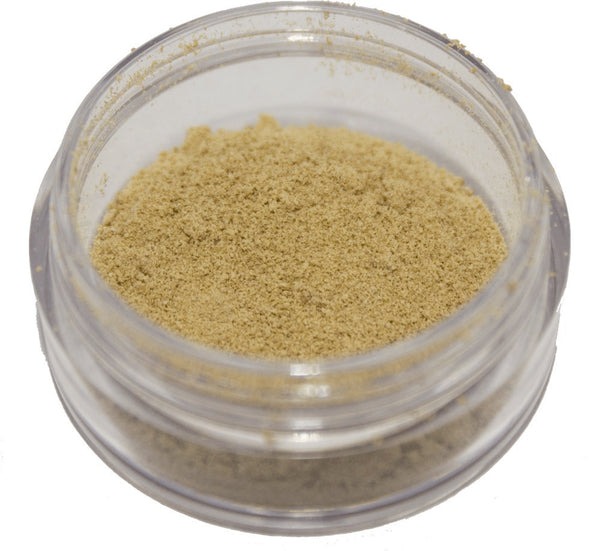
Curing dry sift hash is the process of slowly stabilizing moisture, resin, and terpenes after sifting. Even though dry sift looks finished, it still contains microscopic moisture and unstable resin compounds. Without curing, hash can taste harsh, smell flat, or crumble poorly.
During curing:
- Moisture redistributes evenly
- Trichomes soften and bind together
- Terpenes mature and become more expressive
As a result, cured dry sift hash feels smoother, smells richer, and performs better when smoked or pressed.
Why Curing Dry Sift Hash Is Important
Curing is not optional if you want premium quality. Instead, it is what separates average hash from top-tier hash.
Proper curing:
- Improves flavor and aroma
- Reduces harshness when smoked
- Creates better texture and consistency
- Extends shelf life
- Prevents mold and degradation
Therefore, taking time to cure dry sift hash correctly always pays off.
Step-by-Step: How to Cure Dry Sift Hash
1. Start With Clean, Dry Sift
Before curing, make sure your dry sift is:
- Free from visible plant material
- Fully dry (not sticky or wet)
- Stored loosely, not pressed hard
If the sift feels damp, let it air dry briefly in a cool, dark place before curing.
2. Choose the Right Storage Material
The curing container matters more than many people realize.
Best options:
- Glass jars (small, airtight)
- Parchment paper inside a glass container
Avoid:
- Plastic bags
- Silicone containers
- Metal containers
Glass keeps the environment stable and does not interfere with aroma or flavor.
3. Control Temperature and Environment
Temperature plays a major role in curing success.
Ideal curing conditions:
- Temperature: 15–18°C (60–65°F)
- Dark environment (no light exposure)
- Dry room with moderate humidity
Too much heat will melt trichomes, while too much cold will slow curing excessively.
4. Let the Hash Rest (Time Matters)
Once stored correctly, patience becomes the key ingredient.
Recommended curing times:
- Minimum: 7–10 days
- Optimal: 2–4 weeks
- Premium cure: 4–8 weeks
During this time, the hash slowly stabilizes. Terpenes become more pronounced, and the texture becomes smoother and more workable.
Unlike flower, dry sift does not need daily opening. In fact, excessive handling can damage trichomes.
5. Check Texture and Aroma Periodically
Every few days, gently inspect your dry sift:
- Aroma should become richer and cleaner
- Texture should feel softer and more cohesive
- Color may slightly deepen or even out
If the hash smells musty or sharp, the environment may be too humid. In that case, briefly air it out and return it to storage.
Should You Press Dry Sift Before or After Curing?
This depends on your goal.
- Loose sift: Cure first, then press lightly if desired
- Pressed hash: Light pre-press, cure, then final press
Curing before heavy pressing usually preserves more flavor. However, gentle pressure during curing can help the trichomes bind naturally.
Common Mistakes to Avoid When Curing Dry Sift Hash
Many curing issues come from small mistakes. Fortunately, they are easy to avoid.
Common errors include:
- Using plastic storage
- Applying heat to speed up curing
- Overhandling the hash
- Exposing it to light
- Curing in a humid environment
Instead, slow and controlled curing always produces the best results.
How to Store Cured Dry Sift Hash Long Term
Once curing is complete, proper storage keeps the quality intact.
Best storage tips:
- Keep in airtight glass jars
- Store in a cool, dark place
- Avoid temperature fluctuations
- Do not grind or break until use
When stored correctly, cured dry sift hash can maintain quality for months.
Final Thoughts
Curing dry sift hash is a simple but powerful process that dramatically improves quality. By controlling temperature, minimizing handling, and allowing enough time, you unlock smoother flavor, better texture, and more enjoyable effects.
Whether you produce dry sift yourself or buy premium hash, understanding how curing works helps you get the most out of every session. In the end, patience is what transforms dry sift hash from good to exceptional.